HolidayCheck Campus

HolidayCheck Campus is the first blog that I created on the HolidayCheck Blog Network. Its theme is a child of the theme framework I used for the Polish and German Blog, thus taking advantage of all modules I incorporated in the parent theme. Since its design (Mock up by Thomas Witt) is so different from its counterparts, it almost exclusively uses its own templates (even the searchform!).

Again, I had to customize a lot to meet the requirements. Here are some modules I had to extend or create:

  • Admin Advice
    Textbox in the settings area to edit a Dashboard Widget, viewable for all authors and guestauthors with instructions
  • Code Markup
    This is still in development, I’m currently looking for a possibility to highlight the code without a buggy plugin
  • Post Thumbnail
    Adds theme support and displays the thumbnail in the posts overview
  • Search excerpt
    Highlights the searchterm and displays the section of an article where the term was found (try it here!)
  • Twitter anywhere
    Add the Twitter anywhere functionality with a fallback for users who have JavaScript disabled
Translating WordPress Made Easy

So far, when working on WordPress projects, I always hit a point in time, where it was necessary to create or alter .po files for themes or plugins, to be able to use them with a German website.

Especially when working with more than one translator (possibly not even having the necessary software) or having to support multiple languages, it becomes very complex and time-consuming. A few weeks ago, I coincidentally came across a plugin, which I have since installed on all(!) my WordPress installations: Codestyling Localization by Heiko Rabe.

PHP Namespaces: A Tool For WordPress Plugin Authors?

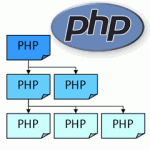
PHP namespaces
As part of PHP 5.3, namespaces will be a tremendous improvement for framework developers and object oriented programmers. But also for some WordPress plugin authors, namespaces might be a neat instument to easily write non conflictable code.  So instead of having to be creative in naming classes, functions and constants, authors now just have to pick a unique plugin name (as always), declare a namespace for it and can feel free to use whatever function names they like and suits best.

Sounds tempting? There’s just one minor catch to it: Authors can’t assume that the average WordPress user has PHP 5.3 up an running on their system.